
If your old dog suddenly starts tilting their head to one side, it can be alarming and confusing.
This sudden change often points to a balance or neurological issue and should always be taken seriously, especially in senior dogs.
Table of Contents
Old Dog Tilting Head to One Side Suddenly: Why It Happens
A sudden head tilt in an old dog is usually caused by a problem affecting the inner ear, balance system, or brain. With aging, dogs become more prone to conditions that affect the vestibular system, which controls balance and orientation, while infections, inflammation, or neurological disorders can disrupt normal function.
In many cases, the change appears quickly and may be accompanied by other noticeable symptoms.
An old dog suddenly tilts their head to one side because the body’s balance system is disrupted, causing disorientation and an uneven sense of position.
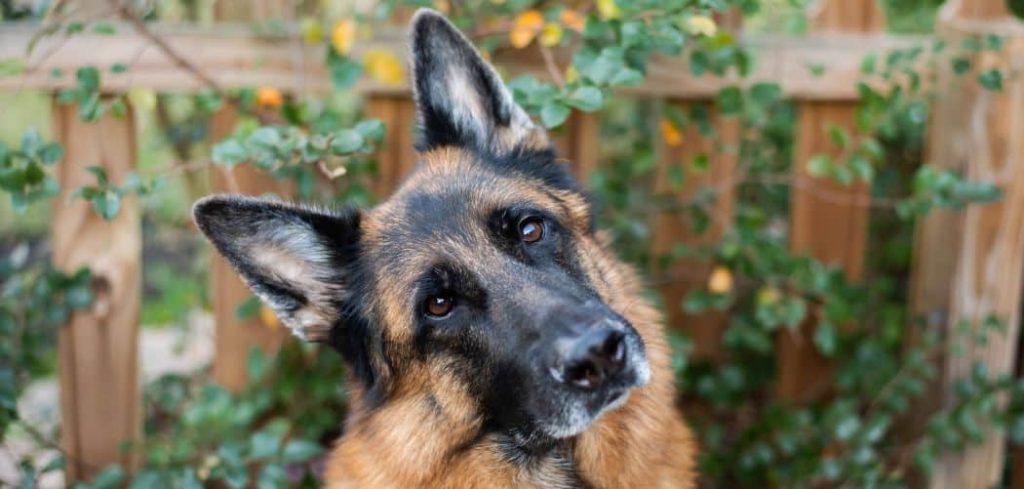
Old Dog Tilting Head to One Side Suddenly: Symptoms
If your old dog has suddenly started tilting their head, you may notice:
- Head tilted consistently to one side
- Loss of balance or stumbling
- Walking in circles
- Rapid eye movements (nystagmus)
- Nausea or vomiting
- Difficulty standing or walking
- Disorientation or confusion
- Leaning to one side
- Reduced activity
Old Dog Tilting Head to One Side Suddenly: Common Causes
Vestibular Disease
The most common reason for a sudden head tilt in older dogs is vestibular disease, also known as old dog vestibular syndrome. This condition affects the vestibular system — the complex network in the inner ear and brain that controls balance, coordination, and spatial awareness.
Vestibular disease causes symptoms that can appear suddenly, almost overnight. Your dog may start tilting their head, stumble while walking, or even fall over.
Their eyes might move rapidly from side to side (a symptom called nystagmus), and they might refuse food or water because of nausea and dizziness.
While these symptoms are dramatic, the good news is that vestibular disease is usually not life-threatening. Most cases are idiopathic, meaning there’s no identifiable cause. However, some may result from inflammation, infection, or a reaction to certain medications.
Read more: Old Dog Vestibular Disease (Causes and treatment)
Inner Ear Infection (Otitis Interna)
Another common cause of sudden head tilting is an inner ear infection, medically known as otitis interna. These infections occur when bacteria or yeast spread from the outer ear into the deeper structures of the ear canal. This inflammation disrupts the balance mechanisms housed there, leading to a head tilt, loss of coordination, and occasional vomiting.
You might also notice your dog scratching their ear, shaking their head, or showing sensitivity when the ear is touched. A foul odor, redness, or discharge may be present in the infected ear.
Older dogs are particularly vulnerable to ear infections because of weakened immune systems or a history of chronic ear issues. Immediate treatment is essential to prevent permanent damage.
Middle Ear Infection (Otitis Media)
Sometimes, the infection doesn’t reach the inner ear but instead affects the middle ear, located just behind the eardrum. This condition, called otitis media, can cause similar symptoms — head tilting, ear pain, and balance loss — though often less severe than inner ear infections.
Middle ear infections can develop after untreated outer ear infections, dental infections, or respiratory problems.
Pressure from the infection can interfere with the nerves responsible for muscle coordination and eye movement, which explains why dogs with this condition might appear dizzy or disoriented.
Stroke or Mini-Stroke
Although less common than vestibular disease, strokes can occur in older dogs and may cause a sudden head tilt. A stroke happens when blood flow to part of the brain is reduced or blocked, depriving brain cells of oxygen.
Depending on which part of the brain is affected, your dog may exhibit balance loss, weakness, or changes in behavior.
In dogs, strokes often appear suddenly — one moment your dog seems fine, and the next, they’re tilting their head, stumbling, or unable to stand properly. Additional signs may include rapid eye movement, facial drooping, or unusual vocalizations.
Strokes can result from various underlying conditions such as heart disease, high blood pressure, Cushing’s disease, or blood clots.
Brain Tumors or Growths
As dogs age, the risk of brain tumors increases. Tumors can develop in various parts of the brain and may compress regions responsible for balance and coordination, resulting in a sudden head tilt or neurological changes.
Signs of brain tumors often progress gradually but can appear suddenly if the tumor bleeds or grows rapidly. You may notice changes in personality, appetite loss, circling behavior, or even seizures.
Head or Neck Trauma
Head or neck injuries can cause sudden balance loss, especially if they affect the inner ear, vestibular nerve, or cervical spine. Senior dogs are more prone to accidents due to reduced agility and weaker coordination.
Trauma can occur from falling, slipping on smooth surfaces, or bumping into hard objects.
Symptoms include a head tilt, limping, or neck stiffness. In severe cases, your dog may yelp when moving their neck or show reluctance to turn their head.
Medication Side Effects or Toxicity
Some medications or toxins can affect your dog’s nervous system and cause head tilting or dizziness.
Certain antibiotics and ear drops, particularly those containing aminoglycosides, are known to cause ototoxicity — damage to the inner ear structures responsible for hearing and balance.
If your dog’s head tilt appeared after starting a new medication, consult your veterinarian immediately.
Stopping or switching the medication often resolves the symptoms, though recovery may take several weeks if the damage was significant.
Hypothyroidism
An underactive thyroid gland, or hypothyroidism, can lead to a variety of symptoms, including lethargy, weight gain, and neurological changes.
While head tilting isn’t the most common symptom, severe or untreated hypothyroidism can affect nerve function, leading to mild balance issues and disorientation.
Blood tests easily confirm this condition, and daily thyroid hormone replacement restores normal function. Once stabilized, dogs usually regain their energy and coordination within weeks.
Read more: Old Dog Tremors (Understanding shaking)
What to Do
If your old dog suddenly tilts their head, the first priority is to keep them safe. Limit their movement and prevent them from falling or injuring themselves.
Provide a quiet, comfortable space where they can rest and recover without stress.
Keep food and water easily accessible, as movement may be difficult. Avoid forcing your dog to walk or move if they seem unstable.
Contact your veterinarian as soon as possible to discuss the symptoms and next steps.
When to Call or Visit Your Vet
A sudden head tilt in an old dog should always be evaluated by a veterinarian.
If your dog cannot stand, is vomiting, or appears very distressed, seek immediate care.
Signs such as seizures, severe weakness, or changes in consciousness are emergencies.
If symptoms persist, worsen, or are accompanied by other neurological signs, prompt evaluation is essential.
Even if your dog seems stable, a veterinary exam is needed to determine the cause.
Old Dog Tilting Head to One Side Suddenly: Treatment
Veterinary treatment for a sudden head tilt in an old dog depends on the underlying cause.
For vestibular disease, supportive care and medications for nausea are often provided while the condition improves.
Inner ear infections are treated with antibiotics and anti-inflammatory medications.
If a stroke or neurological condition is suspected, diagnostic tests such as imaging may be recommended.
Treatment for toxins or medication reactions involves removing the source and providing supportive care. Your vet will tailor treatment based on your dog’s specific condition.
Key Takeaway
A sudden head tilt in an old dog is a serious symptom that often involves the balance or nervous system.
While some causes, like vestibular disease, can improve with time, others require urgent medical attention.
Acting quickly, keeping your dog safe, and seeking veterinary care can make a significant difference in your dog’s recovery and comfort.


